Category Archives: Mineral & Royalty Interests

The Future of Energy Investing: Why Tokenized Royalties Will Reshape Global Portfolios in 2026

As 2025 comes to a close, one thing has become clear across financial markets: real-world assets (RWAs) are no longer a niche experiment. They are becoming a foundational component of the digital economy — and energy assets, specifically U.S. oil & gas royalties, are emerging as one of the most compelling sectors within this new landscape.

For decades, mineral and royalty interests were accessible only to insiders with specialized knowledge, patience for administrative complexity, and substantial capital. Today, that gate is opening. Tokenization is transforming historically fragmented, paper-based assets into programmable, auditable financial instruments that can be accessed globally.

As we look toward 2026, here’s why we believe tokenized energy royalties are set to reshape investor portfolios worldwide — and how Mineral Vault is leading that shift.


1. Yield Is King — and Energy Royalties Deliver It Reliably

For years, global investors chased yield in low-rate environments. Now, with interest rates expected to ease and traditional income assets repricing, attention is shifting back to stable, real-asset-backed yield.

Mineral and royalty interests are uniquely positioned:

  • They generate monthly cash flow.

  • They are inflation-protected because hydrocarbons sell at spot commodity prices.

  • They carry no operating costs for the royalty owner.

  • They often produce income for multiple decades.

In an era defined by macro uncertainty, tokenized royalties offer something rare: predictable yield from a physical economic activity — American energy production.


2. Tokenization Is Moving From Idea to Infrastructure

2025 marked the transition from experimentation to execution. Tokenization platforms, custodians, and L1/L2 ecosystems matured dramatically. Plume Network, which Mineral Vault leverages for token issuance and yield distribution, represents this shift — infrastructure purpose-built for RWAs rather than retrofitted for them.

As RWA-native chains scale, we expect 2026 to bring:

  • Instant secondary liquidity for historically illiquid assets

  • Smarter compliance primitives that preserve global accessibility

  • Unified yield markets where tokenized energy, real estate, and credit coexist

  • Institutional on-ramps that normalize digital ownership of private assets

Energy royalties, with their steady cash flow and clean legal structure, fit this world perfectly.


3. Global Investors Want Access to U.S. Energy — But Haven’t Had It

The United States is the world’s largest producer of both oil and natural gas. Yet for international investors, gaining exposure to U.S. mineral interests has historically been nearly impossible due to:

  • Title verification challenges

  • Administrative complexity

  • High minimum investments

  • Jurisdictional barriers

  • Illiquidity

Tokenization removes these barriers in a single stroke. Today, an investor in Singapore, Brazil, or Europe can access U.S. energy royalty cash flow through a compliant, digital instrument that automates:

  • Ownership

  • Cash distribution

  • Documentation

  • Record-keeping

This is unprecedented — and demand is rising fast.


4. Portfolio Construction Is Being Redefined

Investors increasingly want assets that behave differently from traditional stocks and bonds.
Portfolios of oil & gas royalties like Mineral Vault I provide:

  • Zero correlation to equities

  • Zero correlation to credit spreads

  • Direct participation in energy production

  • Monthly off-chain → on-chain conversions of real cash flow

  • Geographic and operator diversification across thousands of wells

As global allocators reassess risk frameworks for 2026, real-asset income — especially programmable income — will become a larger share of modern portfolios.


5. 2026 Will Mark the Rise of Tokenized Cash Flow Products

Most RWAs today are tokenized claims or representations of traditional assets. Tokenized royalties are different — they are native cash-flowing assets, generating monthly yield with no intermediary conversion needed.

This positions them for:

  • Vault integrations

  • Yield-bearing DeFi primitives

  • Structured products

  • Collateralization

  • Instant composability

In other words, tokenized energy royalties aren’t just assets — they are building blocks for entirely new financial products.

Tokenized real-world yield is the next frontier, and energy royalties are poised to sit at the center of it.


6. Mineral Vault’s Role in the Next Wave

Mineral Vault I validated something powerful:
that private energy assets can be aggregated, de-risked, tokenized, and distributed globally — while generating healthy, transparent monthly income.

Mineral Vault I spans properties including:

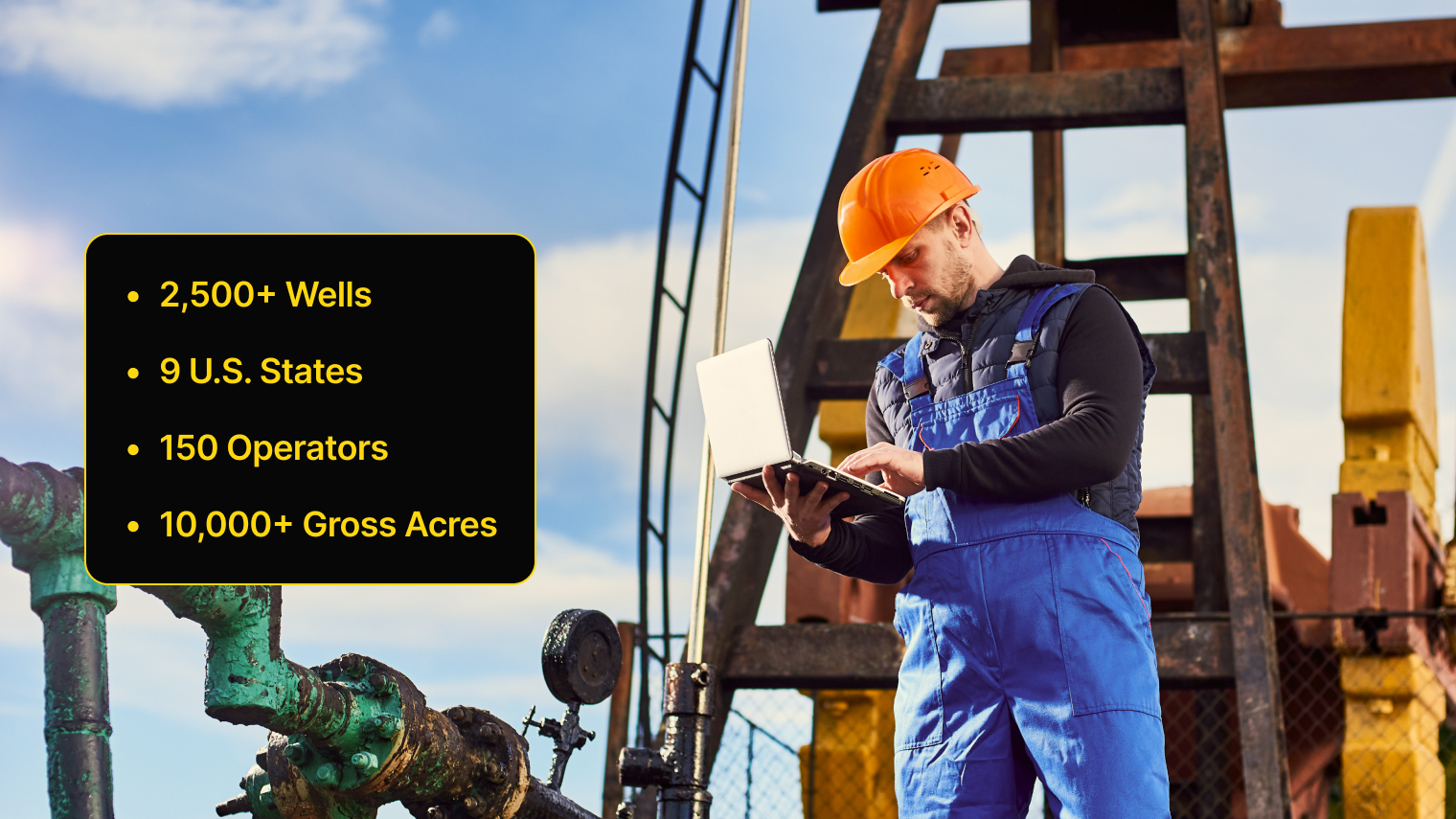
  • 2,500+ producing wells

  • 10,000+ gross acres

  • 150+ operators

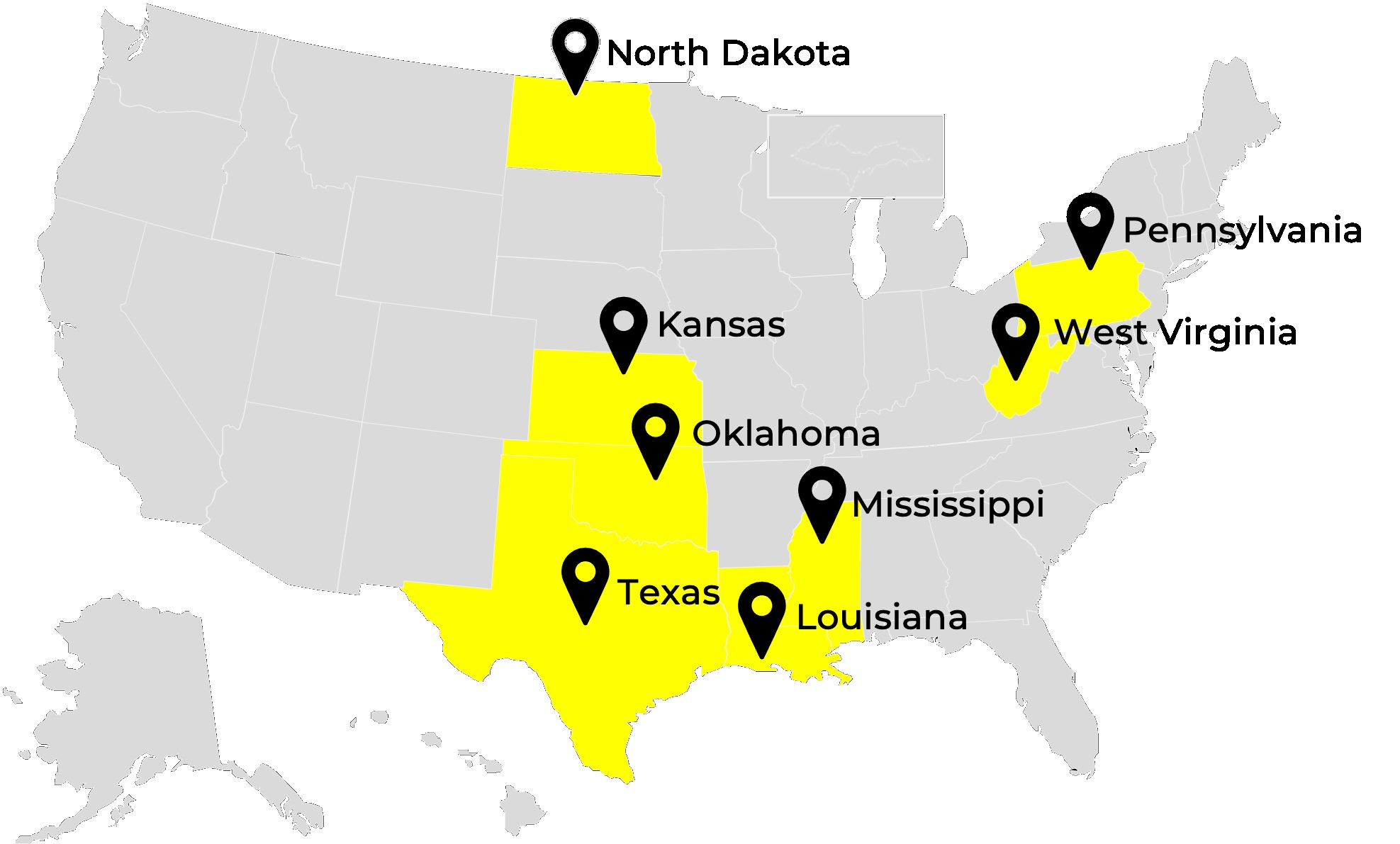
  • 9 U.S. states

  • Diverse commodity exposure (crude oil, natural gas, et al)

  • Automated USDC yield

…and the model is no longer theoretical. It works — at scale.

As we prepare for Mineral Vault II and additional offerings in 2026 and beyond, our focus is clear:
expand access, deepen diversification, and continue building the world’s premier marketplace for tokenized oil & gas properties.


Closing Thought: A New Financial Era Is Beginning

2024 was the year RWAs gained attention.
2025 was the year infrastructure matured.
2026 will be the year real cash-flowing assets dominate on-chain finance.

Energy royalties — stable, inflation-protected, and operationally passive — are uniquely suited to lead that shift.

By bridging the physical production of American energy with the precision of blockchain finance, Mineral Vault is not just observing the future of investing — We are building it.

From Wellhead to Wallet: The Journey of Tokenized Energy Income

Oil and gas royalties have long been valued for their ability to generate steady, inflation-protected income. Yet, for decades, access to these assets was limited to industry insiders and institutions, and even they endured slow payments, paper checks, and opaque accounting.

Mineral Vault I changed all of this at launch. By tokenizing ownership in real, producing US mineral interests, Mineral Vault has transformed the traditional royalty distribution model into a headache-free process with a blockchain-native yield stream.

Step 1: Production & Sale of Hydrocarbons

It all begins at the wellhead. More than 2,500 producing wells across 9 U.S. states generate monthly revenue from the sale of crude oil and natural gas they produce.  Mineral Vault I owns a royalty interest in all of these wells.

Operators sell the produced hydrocarbons to midstream or downstream purchasers, who then remit payment to the mineral interest owners based on their ownership and royalty percentages.  This results in steady income for the Mineral Vault I Ltd tokenized entity.

Because the portfolio is widely diversified, spanning over 150 operators and 10,000 gross acres, the production base is resilient, insulating investors from the impact of any single well, geographic play, or operator.

Step 2: Net Revenue Calculation

Once gross revenue from oil and gas sales is received, deductions are applied for property taxes and minor joint-interest billing expenses. For example; between June and August 2025, gross monthly revenues ranged from $115,000 to $158,000, while expenses averaged under 3% of gross revenue, leaving healthy monthly net income.

From this, a 10% management fee is paid to Mineral Vault LLC, covering property operations, reporting, and investor administration.

The remaining 90% of net revenue becomes the dividend pool distributed to token holders.

Step 3: On-Chain Dividend Distribution

In the traditional royalty model, payments can take months. Checks are mailed. Tax forms are delayed. Ownership changes are buried in courthouse paperwork.

With Mineral Vault’s tokenized structure, those inefficiencies vanish.

Leveraging Plume Network’s Arc tokenization engine and Nest Vault infrastructure, royalty income is automatically converted into USDC stablecoin and allocated proportionally to token holders each month.

For example, in August 2025, token holders received an implied 13.34% annualized pre-tax yield, deposited directly to their wallets through on-chain distribution.

Every dividend is:

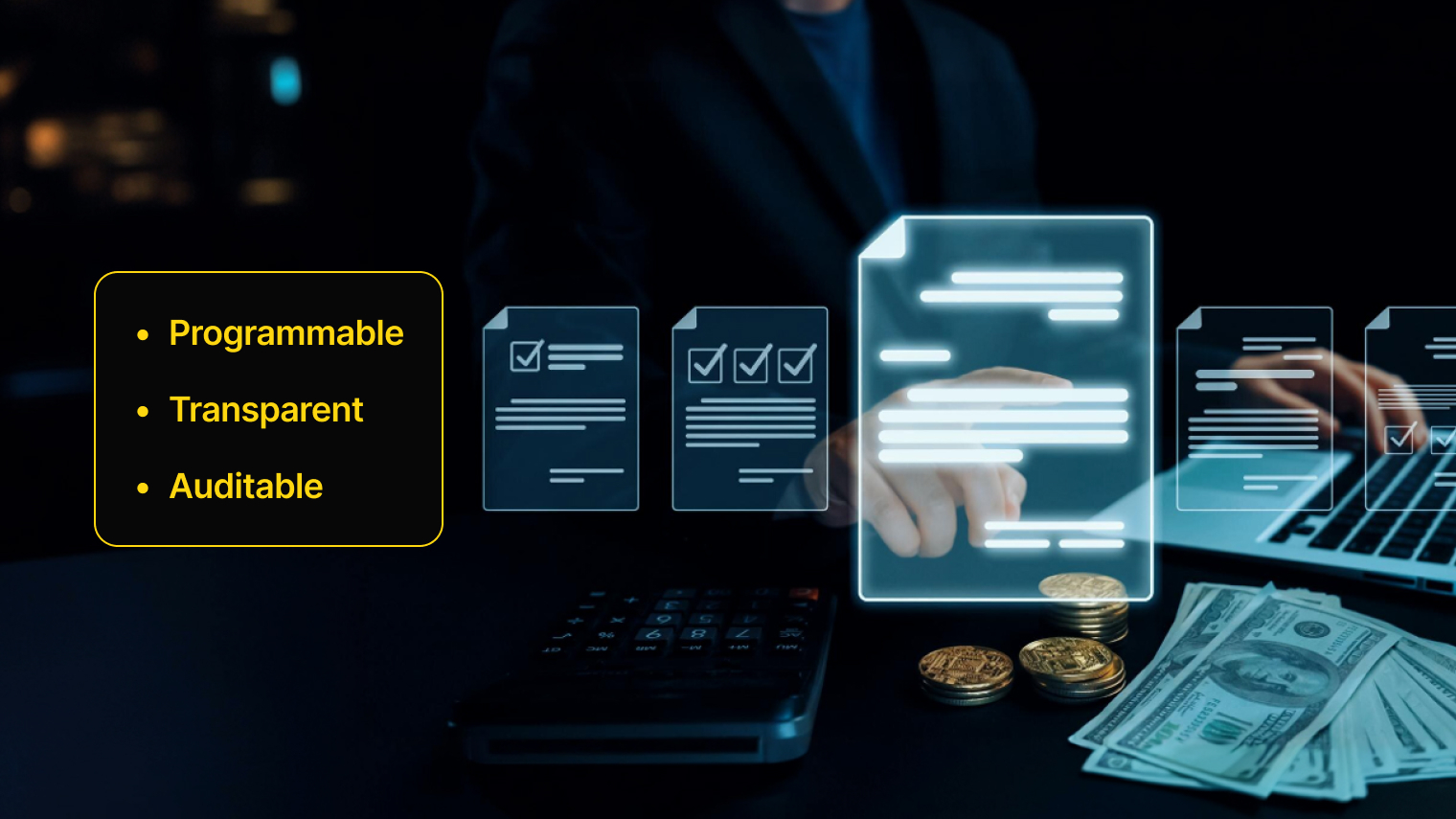
  • Programmable: Executed by smart contract according to ownership share.
  • Transparent: Every dividend report is published publicly at mineralvault.io/transparency.
  • Auditable: Investors can reconcile on-chain payouts with off-chain property performance.  All checks received from operators are publicly available for audit.

Step 4: Automated Reporting & Tax Readiness

Each dividend cycle concludes with a detailed Dividend Report, outlining:

  • Gross revenue by source (crude oil, natural gas, lease bonuses, etc.)
  • Expense breakdowns
  • Net revenue and total dividends
  • Token circulation and payout ratios
  • Implied annualized yields

This degree of monthly financial transparency is rare in private energy investment, and unprecedented in tokenized assets.

Beyond visibility, the digital-first model simplifies record-keeping and tax compliance. Each report provides verifiable documentation of income streams, deductions, and ownership, making year-end reporting seamless.

Step 5: Continuous Cash Flow; Continuous Access

Mineral interests are real property rights, with revenue from producing wells continuing for years or even decades. As operators drill new wells, those income streams can extend even further.

Tokenization makes this cash flow divisible, transferable, and instantly accessible. Investors gain exposure to one of the most stable yield streams in the U.S. economy, enhanced by the speed, transparency, and liquidity of blockchain infrastructure.

Why This Matters

Tokenized yield from real-world energy assets represents something transformative: the fusion of traditional cash flow with programmable finance.

For investors, it means:

  • Passive income from proven American oil & gas assets.
  • Real-time visibility into asset performance.
  • Access to yield without institutional or geographic barriers.

For the broader market, it offers a blueprint for how billions in private, income-producing assets, oil and gas, real estate, infrastructure, and beyond, can responsibly and compliantly move on-chain.

Every USDC distribution from Mineral Vault isn’t just a payment, it’s proof of concept. It demonstrates how blockchain can modernize a century-old industry, aligning physical energy production with the precision of digital finance.

By bridging the gap between the real and digital economies, Mineral Vault is doing more than tokenizing assets. It’s unlocking energy wealth for investors everywhere, and charting a path toward a more efficient, transparent, and accessible financial future.

Oil Barrel With Tokens

Why Tokenize Mineral Interests?

In addition to opening the lucrative mineral interest asset class to a global investor base, Mineral Vault’s vision to tokenize mineral interests also resolves numerous issues plaguing mineral interest ownership & transfer in the United States presently. Let’s take a closer look:

Mineral Ownership Challenges Resolved By Tokenization

As of 2024, the process of ownership transfer in the mineral and royalty interest sector is extremely inefficient for several reasons, all of which are resolved by tokenization.  The major inefficiencies in the process are related to title verification and transfer administration.

Title Verification Challenges

When acquiring interests in mineral properties directly, prospective buyers face tremendous title verification challenges that prevent most non-professional buyers from participating in the marketplace.  These challenges include:

  • No title insurance product. The complete lack of a title insurance product for mineral & royalty interests means that title must be independently verified by the purchaser to their satisfaction. In layman’s terms, the buyer of a mineral property is likely to lose most or all of their money if the person they are paying to purchase the property later turns out to have not been the rightful owner of the property in the first place! To resolve this problem, generally “landmen” are hired to review courthouse records to create a chain of title, gather the related documents from the courthouse, and provide a summary “mineral ownership report”.  These can optionally be given to a title attorney who will review them in-depth and create a “title opinion” which is a more detailed report listing title inadequacies and any issues which should be addressed before closing.  Neither of these vendors provide any title guarantee or insurance and all title risk is borne by the purchaser of the mineral property.


  • Extreme title complexity. The complexity of the title review process is increasing exponentially as time passes and ownership chains become longer and longer, with an exponentially increasing ownership base, caused by the fact that deceased owners often leave their interests to multiple children or grandchildren, simply subdividing the ownership interest between them.  This phenomena doesn’t typically happen with surface interests, since it is difficult for more than one person to “use” or benefit from the surface interests — mineral interests, however, don’t have any utility other than the investment-like income they can provide from production.  As a result of the fact that mineral interests are often subdivided from estates (and therefore handled more like shares of stock than traditional surface real estate), most property parcels in high-production areas of the U.S. have between 20-50 distinct owners, each with a different percentage ownership in the property parcel.


THE TOKENIZATION SOLUTION: Title Verification Challenges

From the moment that mineral interests are placed on the blockchain and traded as tokens (whether individually or in aggregate, as in the initial Mineral Vault offerings), the blockchain resolves issues of provenance completely.  The blockchain is a verifiable, public ledger of ownership, meaning new owners can be 100% sure that the seller of the tokenized interest they are purchasing is in fact the rightful owner.

But what about title defects which arise from before the time the particular mineral interest was tokenized, debasing the token’s representative ownership in property from the very beginning?

At Mineral Vault, our thesis is that the party which tokenizes mineral interests in the first place should bear the risk of any title failures which predate the tokenization. Thus, for title failures occurring prior to tokenization of the assets, Mineral Vault has provided a title guarantee, ensuring investors are “made whole” relative to their original investment in the property if title failure happens*.

The result of the blockchain solution is that the title verification aspects of the ownership transfer process are completely seamless and void of the need for expensive landmen and title attorneys.

Transfer Administration Challenges

In addition to the title challenges associated with direct mineral interest investment, there are numerous administrative hurdles encountered by would-be owners:

  • Deed Drafting & Filing. Similar to the process for acquiring a surface interest, to purchase a mineral or royalty interest, at least one Mineral Deed, Mineral & Royalty Conveyance, Assignment, or similar document must be created by an attorney or other professional, then executed and notarized.  It must then be filed at the county courthouse wherein the property resides, a process which can take up to 2 weeks or more if the recordings must be mailed in.


  • Purchaser Notification & Pay Status Update. Upon successful filing of the deed/conveyance, a copy of the recorded document must then be provided to the purchaser(s) of the oil, gas, or other hydrocarbons actively being produced by the wells on the acreage acquired.  This document evidences the transfer and allows the purchaser to place the new owner “in pay” on the wells, meaning that the new owner begins to receive the royalty checks for revenue.  In practice, this process can take 3-6 months or more with many purchasers whose transfer departments are understaffed, overworked, and severely backlogged due to the increasing number of transfers happening each year.
    • The “purchaser” is often the operator of the well(s) in question but does not have to be, as some small operators do not purchase the hydrocarbons produced by the wells they drill themselves, but rather sign a purchase agreement with a separate vendor who handles the hydrocarbon pick-up/transportation from the wellhead and royalty payments to all mineral owners in accordance with the amounts picked up.  Note also that, if a well produces both oil and natural gas, for instance, there could be a different purchaser for each of the commodity types, meaning one for oil and one for natural gas.  In this scenario, both purchasers must be notified separately.


  • Tax Authority Notification & Tax Record Update. Also upon successful filing of the deed/conveyance, a copy of the recorded document must also be sent to the tax authority responsible for the property in question — for example, the Midland County Central Appraisal District (“Midland CAD”) for a property located in Midland County, Texas.  The tax authority will review the document and place the new owner “in-tax” on the property in question, ensuring that the new owner receives the property tax bills rather than the previous owner.  This is necessary to ensure that property taxes are paid (whereas they might not be if the bills continue to be mailed to the previous owner, who knows they sold the property) because if the taxes go unpaid for a long enough period, the properties can ultimately be sold out from under the new owner at the courthouse steps in a Tax Sale. Therefore, ensuring that the tax records show the new owner as the record owner for tax purposes is a critically important step in the transfer process.  In practice, the governmental tax authorities often use vendors to manage and update their tax records, many of whom are understaffed and unresponsive to update requests, meaning many tax record updates can take 3-6 months or more, similar to pay status updates.


THE TOKENIZATION SOLUTION: Transfer Administration Challenges

All of the administrative challenges described above are rendered totally unnecessary & void by tokenization.  From the perspective of all of the entities above (the county courthouse, the purchasers, and the tax authorities), the property is still owned by the same party, which is the tokenized entity (also referred to as the “Special Purpose Vehicle” or “SPV”), and only ownership interest in the SPV is actually being exchanged.  This in effect transfers ownership interest in the mineral property, but does so in a way which totally circumvents the need for the administrative steps traditionally required and thereby greatly improves property liquidity.

Conclusion

The application of blockchain technology to the mineral interest ownership tracking & transfer  process will introduce many desperately-needed efficiencies to an industry that is rapidly increasing in both scale and complexity.

In the future, after many Mineral Vault offerings and the resulting tokenization of a tremendous quantity of mineral & royalty interests, we believe tokenization can be the “grand / ultimate” solution to the crisis of mineral interest title & transfer in the United States.  In the process, we will not only resolve the title and administrative challenges described in this article, but we will also open investment in these assets to millions of new investors globally, further improving their liquidity.

*The “make whole” amount is an amount, in USD, determined by portfolio manager Mineral Vault LLC. The calculation shall be an amount of value attributed to the property at time of token issuance less any payments received on the property by token holders since that time.  See also the “Disclaimers” section of the website at mineralvault.io.

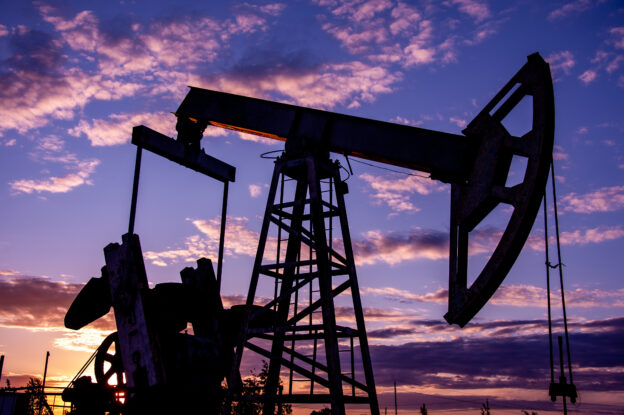
Field With Pumpjacks

Mineral Interests: An Overview

In this post, we will delve into what mineral interests are, how they are monetized, and some legal framework.

What Are Mineral Interests?

Mineral interests, often referred to colloquially as “mineral rights”, are a significant and unique form of real estate interest in the United States. The United States is the only major country in the world where these interests are predominantly owned by private individuals and companies rather than by the government.

Mineral interests in a particular parcel of land grant the owner the entitlement to extract and profit from minerals found beneath the earth’s surface. These rights encompass a variety of natural resources such as coal, lithium, gold, and silver.  However, in the United States, the most prolific and valuable natural resources are oil, natural gas, and related hydrocarbons used for energy.

Mineral rights can be sold, leased, or otherwise transferred separately from the surface of the land, which means that the person or entity that owns the surface rights to a piece of land might not also own the rights to the minerals beneath it.  Therefore, there are two major ownership classifications for the mineral estate of a particular parcel of real estate:


  • Fee Simple Estate: Both surface and mineral rights are owned by the same party.


  • Severed Estate: Mineral rights have been legally separated from surface rights at some point, meaning the ownership is different for these two components of the parcel. The exact depth at which the severance occurred may vary, but a good rule-of-thumb is around 100 meters below the surface of the earth. In areas of the United States where ample oil & gas production is occurring, the vast majority of property parcels are severed.

Mineral Interest Monetization

Before any exploitation of natural resources occurs on mineral interests for a particular parcel, the mineral interests are said to be “non-producing”.  It is initially unknown whether any valuable mineral deposits exist within a particular mineral estate, and unless some such deposit is located in the future, the mineral interest will stay in “non-producing” status perpetually.  In this state, the mineral interest portion of the parcel is generally not subject to property taxes, as there is no proven or determinable value to any minerals which may or may not be present.

Typically, in the oil & gas industry, mineral interests begin the process of being monetized via the following sequence of events:

    • Step 1: Deposits are located. This occurs when an exploration & production (“E&P”) company, also referred to as an “operator” of wells, speculates that valuable oil, natural gas, or other hydrocarbon deposits may be present.  These deposits are located  by professionals (often, geologists or petroleum engineers) using various methods and technologies, but the presence or abundance of minerals present in a particular location are almost never known for sure until a well is drilled.  E&P companies are referred to as “upstream” companies in the oil & gas industry because they are actively involved in the extraction of natural resources from the earth.


    • Step 2: Mineral interests are leased. After a sizable mineral deposit is located, the E&P company contacts the owner(s) of a mineral estate in order to lease the mineral interest.  The owner(s) must sign a formal oil & gas lease (“OGL”) document which grants the E&P company the right to explore for and extract the hydrocarbons in return for an immediate lease bonus, a royalty percentage of the revenue from any extracted minerals (typically, between 12.5%-25%), and other compensation terms stipulated in the lease.  If no wells are drilled within the term of the lease, which is typically between 3-5 years, the the mineral interests again become unleased.


  • Step 3: Well(s) are drilled. Once an operator has received the necessary permitting from regulatory authorities, they can commence the drilling of one or more wells for the extraction of oil, natural gas, or other hydrocarbons.  The operator is responsible for 100% of the costs of drilling and therefore none of these costs are the responsibility of the mineral owner.  Upon successful drilling of the well(s), the operator will sell the produced hydrocarbons to a “midstream” company which buys, transports, and refines them into various substances, such as gasoline and diesel fuel, which can be used for energy. These  refined products are later sold to a “downstream” company, such as a chain of car refueling stations, which sells the refined products into the market. Sometimes, if the operator of the drilled wells is a very large oil & gas company, they will themselves have a midstream and/or downstream arm to their company and will therefore fill the role of “purchaser” of the hydrocarbons themselves. Whether or not this is the case, the produced commodities are sold at current spot prices as of the moment they are produced and taken away by the midstream company (or midstream division), less certain pre-agreed deductions and production-related taxes. Once a mineral interest reaches this “producing” state, it will now be appraised on an annual basis by governmental tax authorities for the assessment of an annual property tax on all mineral owners in the parcel.


Ownership of mineral rights in the U.S. is influenced by both federal and state laws. The federal government, through laws such as the Mineral Leasing Act and the Mining Law of 1872, sets basic guidelines, while state laws provide further regulations which in some cases vary significantly. States like Texas, Oklahoma, and North Dakota, for example, have their own elaborate sets of rules which cater to their rich mineral deposits.

As with any real property, mineral rights can be conveyed through leasing, selling, or inheritance. Transactions must comply with both state and federal regulations, which are numerous, and certain title and administrative challenges arise during the transfer process.

Additional information about the complexities of mineral rights transfers, as well as how tokenization resolves many of these issues, is available in our blog post Why Tokenize Mineral Interests?

Conclusion

Mineral interests are a complex but integral part of the U.S. real estate landscape. Understanding the different types of mineral interests (see our blog post Types of Mineral & Royalty Interests), along with the regulatory and economic contexts in which they operate, is crucial for anyone involved in this field.

Pumpjack At Dusk

Types Of Mineral & Royalty Interests

Mineral & Royalty Interest Types

In the United States, mineral and royalty interests come in various types and represent ownership of, or profit-sharing rights in, the production of oil, gas, and other minerals from the subsurface portion of a particular parcel of land. Understanding these interests is crucial for investors and landowners alike. Here’s a breakdown of the most common types:

Mineral Interest (MI)

  • Full Ownership Rights: Full ownership of the minerals beneath a tract of land.
  • Full Executive Rights: The right to lease the minerals to an oil & gas company for exploration & production.
  • All Revenue Streams: Owners can receive all types of production- & property-related income, including lease bonuses, delay rental payments, and production royalties.

Royalty Interest (RI)

  • Created From Lease Agreements: Royalty interests are created when a mineral interest owner leases their minerals to an exploration & production company to extract the minerals.
  • Revenue Without Costs: Royalty interest owners receive a percentage of the revenue from mineral production without bearing any of the production costs.
  • Distinct From Mineral Interest: Although a mineral interest owner can and often does also come into possession of a royalty interest at the time of signing a lease (and therefore holds both interests at the same time), it is important to understand that the mineral interest ownership rights and the royalty interest which relates to a specific lease which was signed on those mineral interests are each distinct in that one could be sold while the other is retained. This is not especially common, but it does occur.

Working Interest (WI)

  • Operational Role: This refers to the interest that is created for the exploration & production company when a mineral owner signs a lease with them. This gives the exploration & production company (often called the “operator”) the right to explore, develop, and produce minerals on the leased mineral interests, but they must also bear all drilling, maintenance, and other production costs.
  • High Risk and Reward: This interest type carries the potential for high returns (since the operator receives a majority share of the income from wells drilled) but also comes with significant financial obligations & risks. If a well is drilled at great expense and only a small amount or no hydrocarbons are produced, this is called drilling a “dry hole” and means that the operator will sustain great financial losses related to the drilling of the well. The royalty interest owner, however, will sustain no losses.
  • Also Known As “Leasehold Interest”: Before wells are producing on a leased parcel of land, operators typically refer to their interest in the land as a “leasehold interest”. This is essentially a synonym for the term “Working Interest” but simply refers to the time period before production begins.

Overriding Royalty Interest (ORRI)

  • Carved from Working Interests: Overriding Royalty Interests are not tied to the ownership of minerals but to the proceeds from the sale of produced minerals under a given lease agreement. Operators create these interests artificially from the Working Interest produced upon their execution of a lease agreement with a mineral interest owner. ORRIs are not cost-bearing, similar to traditional royalty interests. After these interests are created, they can be sold and transferred until such a time as the associated lease expires. When the lease does expire, the ORRIs expire worthless along with the Working Interest. Note, however, that any producing well will ensure a lease is “held by production” and doesn’t expire until such a time as the well stops producing.
  • Common Origin: ORRI interests are typically created by operators as a form of incentive compensation to geologists, engineers, and landmen who work for them.

Non-Participating Royalty Interest (NPRI)

  • Mineral Interest With No Executive Rights: With this interest type, owners have financial interest in a particular mineral interest parcel, but they do not have the authority to lease the mineral interest to any party or receive lease bonuses or delay rental payments. They are paid purely on the basis of the production of minerals from the acreage (the royalty interest).
  • Common Origin: NPRIs are often created at the time of distributing an inheritance. By dividing a mineral interest in such a way that all but one divided part are NPRI, only one portion will retain the executive rights (to “speak for the acreage”) whereas revenue from production can be split evenly across all heirs.

Non-Operated Working Interest

  • A Passive Working Interest: With this interest type, owners do not participate in operational decisions but still share in production costs and revenues. These are created from the total Working Interest that is initially created when an operator signs a lease with a mineral interest owner.
  • Common Origin: Non-Op Working Interests can be created in many different ways, including as a result of a joint venture agreement between multiple operators, a risk mitigation effort of the operator, or as incentive compensation, similar to ORRIs.
  • Tax Benefits: Owners of Non-Op Working Interest bear more risk than other, non-cost bearing interest types, but they may receive tax advantages from incurring these costs without the responsibility of actually managing production operations.

Net Profits Interest (NPI)

  • Royalty Interest, With Some Deducted Costs: With this interest type, owners receive a share of the net profits from mineral production after certain costs are deducted. If, for example, substantial costs are required to transport produced hydrocarbons from the wellhead to be sold, an operator may negotiate for an NPI so that these costs can be deducted from royalty payments.
  • Non-Operational & Passive: Like RIs, NPRIs, & ORRIs, NPIs are passive and do not involve direct participation in production activities.

For the most part, Mineral Vault products include only the interest types MI, RI, NPRI, ORRI, and NRI. These interest types are passive from an operational standpoint and are not significantly cost-bearing.

Behind the Scenes: How Mineral Vault Sources and Evaluates Oil & Gas Properties

When investors look at Mineral Vault I, what they see is a diversified portfolio of mineral and royalty interests spanning more than 10,000 gross acres and 2,500 producing wells across 9 different U.S. states. What they don’t see, however, is the extensive work that went into creating this portfolio — years of research, negotiation, and due diligence that transformed scattered mineral rights into one of the first tokenized funds of its kind.

Closing 350 Transactions Across 9 States

Every property in Mineral Vault I was acquired between May 2020 and May 2023 by Allegiance Oil & Gas (the oil & gas investment company behind Mineral Vault).  This was a period that included volatile oil prices, shifting operator activity, and post-pandemic energy market dynamics.  Over those three years, Allegiance completed 350 individual transactions with mineral and royalty owners across the U.S.

These weren’t bulk acquisitions from a single seller, group of sellers, or brokers.  Every single counterparty was different!  The process required direct negotiation with landowners, estates, and family trusts. In many cases, ownership was fragmented among dozens of heirs, each holding only a fractional interest, and in many transactions curative title was required before the transaction could be finalized.

This painstaking, property-by-property approach created several advantages:

Better pricing control – By avoiding auction environments and brokers, Allegiance could acquire assets at fair market value without paying speculative premiums.

Higher quality assets – With direct relationships, the team could be selective, targeting only properties that met strict evaluation criteria.

Diverse sources – Hundreds of transactions meant exposure to thousands of acres and wells, helping build a portfolio resilient to market swings.

Title resilience – By painstakingly curing title for every property, one at a time, Allegiance was able to close acquisitions with title so clean that they’ve agreed to offer a title guarantee to token holders for all properties in Mineral Vault I – eliminating one of the biggest risks in traditional mineral rights investment.

What Makes a Property Attractive?

Not all mineral interests are created equal. Before becoming part of the Mineral Vault I portfolio, each property was screened using a multi-factor evaluation process designed to balance current production with future upside.

Key criteria included:

Production Track Record – Priority was given to properties with active wells already generating monthly cash flow. This provided immediate yield stability.

Diverse Basin Geography – Holdings were intentionally spread across numerous top U.S. shale plays in completely different geographic areas, including the Permian, Eagle Ford, Bakken, Haynesville, and Barnett, to reduce concentration risk.

Operator Quality – Emphasis was placed on established E&P companies with proven operating track records.  And with more than 150 operators represented in the portfolio, operator concentration risk was also greatly mitigated.

Future Development Potential – Properties with additional, undeveloped acreage offered the possibility of new wells, providing natural growth in cash flow and reserve replacement as existing wells deplete.

Commodity Mix – Balancing properties with primarily oil vs. primarily natural gas exposure ensured the portfolio could benefit across numerous, different commodity cycles.

Together, these criteria created a portfolio that wasn’t just cash-flowing today, but also positioned to capture future drilling, leasing, and development opportunities.

Why This Matters for Investors

The value of this disciplined acquisition strategy for investors comes through in three ways: Scale and diversification, stable yield, and upside potential.

The value that scale and diversification hold is that exposure to thousands of wells across multiple states reduces reliance on any single operator, basin or commodity. Stable yield provides value in early dividend reports that confirm steady, monthly royalties from producing properties. Finally, the upside potential value proves vital when new drilling occurs in active basins like the Permian and Eagle Ford, as this unlocks new cash flow streams for investors that partially offset the depletion from existing well production – without requiring new capital from investors.

Importantly, all of this groundwork was done *before* tokenization. Investors entering Mineral Vault I aren’t speculating on future acquisitions. They are stepping into a portfolio that is already diversified, cash-flowing, and de-risked.

From Groundwork to Tokenization

The heavy lifting; from negotiating 350 transactions and verifying title across thousands of wells, to assembling properties across 9 states, was complete before the first token was issued.

By placing this portfolio on-chain, Mineral Vault makes an asset class once limited to insiders available to investors around the world. Investors aren’t just buying exposure to oil and gas properties, they’re accessing an asset backed by years of acquisition expertise, made liquid through blockchain infrastructure. Tokens bring efficiency, transparency, and liquidity to an industry that historically required significant capital and private connections.

Behind every digital token is a real, tangible asset. In the case of Mineral Vault I, those assets were carefully sourced, one deal at a time, by a team with decades of oil and gas experience.

That’s what makes Mineral Vault different:

A portfolio built on solid ground.

Engineered for yield today and upside tomorrow.

Made accessible to investors everywhere through tokenization.