Most people think oil and gas investing means backing one well and watching it decline. That is the wrong lens for a large royalty portfolio. Scale, diversification, and, most importantly, reserve replacement can make thousands of wells behave very differently from a single declining asset.
When investors first hear “oil and gas,” many picture the classic one-well story: a well gets drilled, production starts strong, and then the investment lives or dies based on that one well’s decline curve. That mental model is intuitive, but it breaks down when you move from one well to a broad portfolio of mineral and royalty interests.
Mineral Vault I is not a single borehole, a single operator, or a single county. It is a diversified portfolio tied to more than 2,500 producing wells across 9 U.S. states and more than 150 operators, with additional wells able to come online on presently leased or newly leased acreage over time. That scale changes the economics, the risk profile, and even the way depletion behaves.
Most discussions of diversification stop at the obvious factors: more wells, more states, more operators, and broader commodity exposure. Those all matter. But in a portfolio this large, the deeper difference is that reserve replacement itself becomes material. New wells coming online across the acreage can meaningfully offset declines from older wells, which has the effect of lessening the portfolio’s overall depletion rate versus what investors would expect from a single-well bet.
Key idea: In a portfolio this large, reserve replacement becomes a material factor. Recurring new wells can help soften the aggregate decline curve, which is why portfolio-level depletion often looks very different from single-well depletion.
The Single-Well Mindset Is Inherently Binary
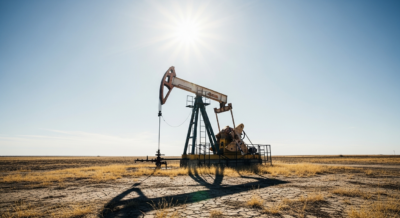
In a single-well investment, nearly every major variable is concentrated in one place. There is one operator making the key decisions, one drilling and completion design, one production profile, one set of local field conditions, and one timeline for decline. If that well underperforms, experiences downtime, gets shut in, or reaches marginal economics sooner than expected, the investor feels it almost immediately.
That is what makes a single-well bet so binary. There is very little internal diversification to absorb disappointment. If the well is a star, results can be excellent. If it is average, or worse, there is nowhere else inside the asset base for the investor to hide.
This is also why depletion feels so immediate in a single-well structure. Most wells produce strongest early in life and then decline over time. Without meaningful nearby development or additional assets around it, the investment story eventually becomes a simple countdown of shrinking volumes and shrinking cash flow.
The Obvious Benefits of Diversification Are Real
A diversified royalty portfolio changes that picture right away.
First, it spreads risk across GEOGRAPHY. Production coming from multiple states and basins reduces dependence on any one local market, weather event, regulatory issue, or infrastructure bottleneck.
Second, it spreads risk across OPERATORS. When a portfolio is tied to more than 150 operators instead of one, the budget decisions, execution quality, or operational delays of any single company have a far smaller effect on the total cash-flow base.
Third, it spreads COMMODITY exposure. Some wells may be more oil-weighted, others more natural-gas-weighted. That matters because oil and gas do not always move in lockstep, and a broader mix can make revenue streams more resilient across different commodity cycles.
Fourth, it spreads decline profiles across TIME. In a large portfolio, not every well is at the same stage of life. Some wells are mature and steady. Some are newer and more productive. Some may be temporarily offline. Others may not even be drilled yet. That staggered mix alone makes the aggregate production curve look very different from the sharp decline profile investors tend to associate with a single well.
Those are the obvious reasons a portfolio behaves differently. But they are still only part of the story.
Reserve Replacement Is Where Scale Really Matters
The most overlooked distinction is reserve replacement.
In simple terms, reserve replacement means new production is added while older production is naturally declining. In the context of mineral and royalty interests, that can happen when operators drill additional wells on acreage already held inside the portfolio, or when newly leased acreage is developed and begins producing.
In a small asset base, reserve replacement may be little more than a possibility. In a portfolio this large, it becomes a material factor in how the asset behaves over time.
That is because Mineral Vault’s portfolio is not just a collection of existing wells. It is a collection of existing wells plus additional development potential. Mineral Vault has repeatedly emphasized that the properties selected for inclusion are intended to have healthy current cash flow while also having surrounding acreage where new wells could be drilled in the future. Its public materials also note that additional wells on presently leased or newly leased acreage may come online over time.
That point is more important than it may seem at first glance.
In a one-well deal, the investment is usually tied to one decline curve. In a large royalty portfolio, the asset base is more dynamic. Older wells may be fading, but other parts of the acreage can still be developed. Some wells may go offline when operators decide production is no longer economic. At the same time, new wells may be drilled elsewhere across the portfolio. The investment is not standing still.
And that is where scale changes everything. The timing of future drilling is never perfectly uniform, and not every property will see new development on the same schedule. But across a portfolio with thousands of wells, broad acreage, and many active operators, new wells are not just a one-time upside surprise. They can become a recurring feature of the portfolio’s life.
Why Reserve Replacement Lessens the Overall Depletion Rate
It is important to be clear about what this means and what it does not mean.
It does not mean depletion disappears. Every oil and gas asset depletes over time. Mineral Vault has been transparent about that reality, which is one reason the flagship structure is term-limited rather than perpetual.
What reserve replacement does mean is that depletion at the portfolio level can look very different from depletion at the single-well level.
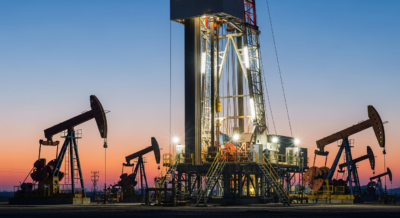
Think about a single well as one production curve. After initial production, that curve generally trends downward. Now think about a large royalty portfolio as hundreds or thousands of overlapping production curves. Some are declining. Some are flattening out. Some are newer and still relatively strong. Some are future drilling locations that may become producing wells later. When enough new wells continue coming online across the asset base, they inject fresh production into the system and soften the speed at which the total portfolio declines.
This is exactly why reserve replacement becomes material in a portfolio of this size. The real question is no longer, “Will this one well deplete?” Of course it will. The better question is, “How much of that depletion can be offset by new development elsewhere in the portfolio?”
At the broader U.S. industry level, this is already how production is sustained. Older wells decline, while new wells are drilled to offset a meaningful share of that decline. A large mineral and royalty portfolio with exposure to active basins benefits from that same basic operating reality. It does not need every well to remain strong forever. It needs enough new development across the system to keep the aggregate decline shallower than it would be in a single-asset structure.
That is the key distinction. A single well is a static story. A large portfolio is a moving system.
Why This Matters for Mineral Vault Investors
Mineral Vault I draws revenue from more than 2,500 producing wells across 9 states, more than 10,000 gross acres, and more than 150 operators. The portfolio was assembled through more than 350 separate transactions, and future development potential was part of the selection process from the beginning.
That combination matters because reserve replacement is much harder to achieve in a narrow asset base. If an investor owns interest in one or two wells, there may be little room for additional drilling, little operator diversity, and very little ability for fresh production elsewhere to offset decline. In a portfolio with this kind of scale, the odds are much higher that some part of the acreage is being actively evaluated, leased, drilled, or brought online over time.
Just as important, Mineral Vault’s public property-selection criteria emphasize that the portfolio is largely made up of mineral and royalty interests rather than cost-bearing working interests. That means successful new development can add fresh revenue to the portfolio without requiring token holders to fund drilling capital themselves.
This also changes how investors should think about income durability. The portfolio’s cash flow does not depend on one well staying exceptional. It depends on the broader health of a large and diversified system of producing and developable acreage.
That is a major difference.
It means investors are not simply buying a smaller ticket into the same old single-well experience. They are buying exposure to a broader royalty ecosystem where current production, operator diversity, commodity mix, and reserve replacement all interact month after month.
It is also one of the reasons Mineral Vault’s model is especially well suited to tokenization. Tokenization makes ownership more accessible and distributions more transparent, but the underlying asset still matters most. A narrow, binary asset is narrow and binary whether it is on-chain or off-chain. A diversified royalty portfolio, by contrast, brings structural advantages before tokenization even enters the picture.
The Bottom Line
Most people understand the first layer of why a diversified royalty portfolio behaves differently from a single well bet. They understand geography, operator mix, and commodity diversification.
The more important layer is reserve replacement.
In a portfolio this large, reserve replacement becomes a material factor. New wells coming online across the acreage can lessen the portfolio’s overall depletion rate by introducing fresh production as older wells decline. That does not eliminate risk, and it does not mean cash flow will never trend lower over time. But it does mean the portfolio is typically less binary, less synchronized, and less dependent on the fate of any one well than a traditional single-well wager.
A single well is one asset and one curve.
A diversified royalty portfolio is an ecosystem.
And when that ecosystem includes current production, undeveloped acreage, broad operator exposure, and recurring opportunities for new wells to come online, it can behave very differently, and far more resiliently, than the classic one-well oil and gas bet.
 How Trust Is Established in Tokenized Oil & Gas Assets
  The Future of Energy Investing: Why Tokenized Royalties Will Reshape Global Portfolios in 2026
  From Wellhead to Wallet: The Journey of Tokenized Energy Income